Be More Confident About Your Smile

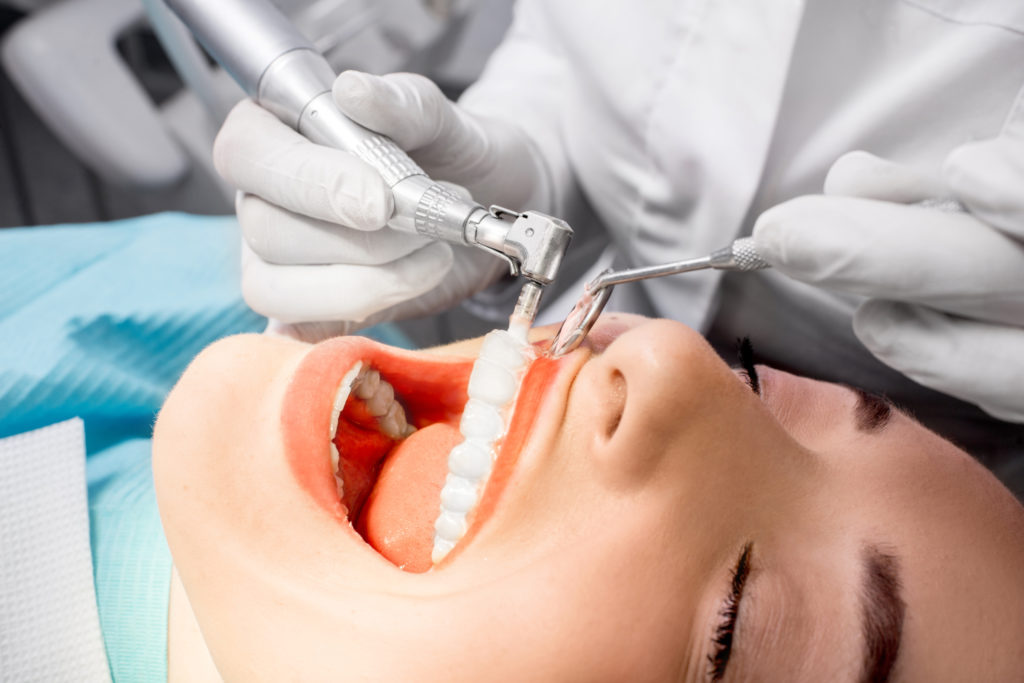
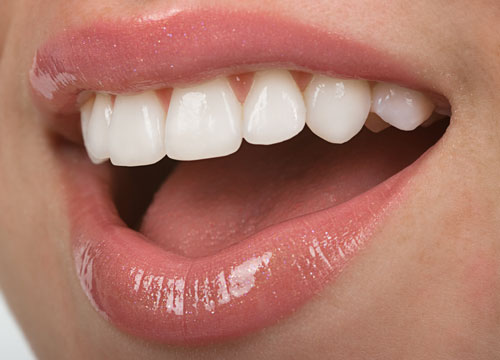
We all know the importance of having a great smile- a smile can help you engage people, be perceived as friendly and become more well liked and admired by others. Most importantly give you that extra boost of confidence in yourself. One of the most important things that make a smile beautiful is a good set of teeth. Having nice, clean teeth is a start, but sometimes, our teeth tend to get yellowish in color no matter how much we brush them, and this is because of the various colors that are in our everyday food and drinks. While there’s no way that we can actually stop drinking or eating all of the foods that stain our teeth, it is possible to get them to their perfect pearly white color by using teeth whitening methods.

Why take expert help when you can do it yourself at home?

We have all heard of those ‘Do It Yourself’ techniques that can help you whiten your teeth at home, using home ingredients, but the problem here is that many of those ingredients required to whiten the teeth are acidic and damage the coat of enamel over the teeth so that over time, the teeth become weak and prone to wearing off. The safer option for you is to go to an experienced and accredited dentist that practices teeth whitening professionally; sure it will cost you a little more, but it will also save you from doing any damage to your precious teeth.

What’s special about us:

At Toothworks Calgary, you have two options for getting whitened teeth. You can either take our in-office services of teeth whitening, called SpaDent, or get a Home Kit with which you can whiten your teeth safely in the comforts of your home. Our home kit is amazing because it can be customized to meet your particular specifications! Before getting you a kit, we will examine your teeth and find out the specific kind of treatment you require according to your dietary and lifestyle choices, and make you a personalized kit for your dental health.

Both of these teeth whitening procedures use chemicals at carefully measured amounts, which not only save your teeth from enamel damage, but also help them resist further yellowing for a long time. Contact our amazing team at Toothworks Calgary right now, because you seldom get an offer as amazing and as safe as this!

Cracked Tooth Syndrome

A cracked tooth is a medical condition in which the person can feel a sudden, sharp pain or contraction when a patient bites or puts pressure onto something in their mouth. The symptoms of cracked tooth syndrome are:

1. Increased tooth sensitivity to varying temperatures

2. Extreme pain in the tooth when chewing or biting something. The pain comes in sharp pangs and is usually more noticeable in that tiny moment in which the pressure is removed again.

The pain is irritating, sharp, and can last for a long time, as the sufferers usually think that it’s going to subside, but this isn’t the case. The cracked tooth syndrome usually occurs due to small fractures in the tooth. These fractures may occur in teeth that have undergone too many dental procedures. Sometimes the cracks are so small that they cannot even be detected by x-rays. The cracks can even take place under the gum line, therefore, becoming harder to detect. In any case, if you feel a sharp pain in your teeth while applying pressure, find a good dentist and make an appointment as soon as you can. Cracked tooth syndrome has to be treated as early as possible, because if the crack travels all the way to the pulp chamber and extends into the pulp chamber, then the tooth is at serious risk. The pulp chamber will be exposed and the pulp tissues will be prone to bacterial attack and damage. Gradually, it will get inflamed and result in pulpal necrosis (death of nerves) and tooth abscess, i.e. infection.

Cracked tooth syndrome mainly occurs due to fractures in the teeth. Fractures can happen due to a number of different factors. Fractures may be a result of the natural pressure that is always put on the teeth with daily use; it may also happen due to bad chewing habits, any trauma of the teeth, due to the presence of large fillings, extensive tooth decay, or even after a root canal treatment when the teeth are sometimes too susceptible to damage.

Treatments for cracked tooth syndrome depend on the type, location, the nature of the tooth, and the reason for the fractures. Some possible treatments include dental bonding, porcelain veneers, etc., depending on other factors. Detecting the cracked tooth syndrome is very important, as it can actually help save the teeth.

Visit our qualified dentists in Tooth Works Calgary and set an appointment to discuss the possible treatments. Do not let any underqualified dentist touch your teeth, because they can only do more harm than good. The dentists in Tooth Works are highly qualified to perform complex procedures, and they can even detect problems faster and more effectively due to their experience in oral treatments.

Veneers and Dental Bonding

Most people know that veneers and dental bonding are both cosmetic surgery procedures, which can help hide any dental imperfection and a small glitch in your teeth to give you self-confidence with a beautiful smile to match. Many people are, however, confused as to the differences between these two types of surgeries, because both of them bring about the same results.

To know the difference, you have to first know what these procedures individually are:

  • Dental Bonding- In dental bonding, any damage or imperfection of the teeth, that is, problems related to decayed, fractured, chipped or even discolored teeth can be repaired by the application of a composite plastic (resin). At first, the teeth are washed with a mild solution that makes the surface of the teeth rough and allows the bonding material (resin) to stick. After applying the resin, your dentist will shape, sculpt or color your teeth to enhance their appearance. At the last stage, a high-intensity light will be shined on the fixed teeth, so that the material hardens and retains its effectiveness.
  • Veneers- Veneers are very thin pieces of hard material, most commonly porcelain or plastic that are shaped like your teeth. These pieces are attached to the front of your teeth using dental glue. Veneers help repair teeth that are severely chipped, discolored or misshapen. There are two types of veneers to choose from: porcelain veneers and composite veneers. Porcelain veneers cost more, last longer, and require at least two visits to your dentist. Composite veneers, on the other hand, cost less, does not last more than seven years, and can be completed with only one visit to the dental clinic. Getting veneers is simpler than dental bonding, but it requires small microscopic holes to be made in your teeth as the initial step.

Now both of these are amazing inventions that will help you regain your charming smile, but how do you know which one you should get? Veneers or bonding differs from person to person, according to the extent of damage to the teeth and the lifestyle choices they have; your dentist will be able to tell you which one to get, but here are a few points on both of the surgeries that will give you a little idea on the differences.

1. Veneers are harder to stain because they are whole pieces, whereas dental bonding uses porous chemicals that can get stained if you do not take proper care. The general advice for smokers and drinkers is- avoid dental bonding.

2. Many people think that veneers look fake and sometimes may seem uncomfortable in your mouth. The key to this is to go to a good dental clinic that has qualified dentists, which is exactly what Tooth Works Calgary has in store for you.

So what are you waiting for? Call us immediately and make an appointment to get yourself a beautiful smile!

Why Fluoride is Good for You

Fluoride is an important mineral for good oral health. It helps prevent cavities by boosting the rate of remineralization and slowing down enamel erosion. The new mineral crystals that form on the tooth crown are larger, denser and better equipped to shield against mouth acid. Plaque breaks down the outer enamel and can seep down into the rods of a tooth, causing internal damage. This demineralization can lead to weakened areas that will eventually form a cavity. Fluoride treatment can help preserve mouth health and ward off tooth decay.

Common sources of fluoride include are fluoridated tap water, topical fluoride treatments, toothpaste, and mouthwashes.

Fluoride Toothpaste

A good fluoride toothpaste will help strengthen teeth and prevent cavities from forming in adults and children. It reinforces weak areas and exposed roots, and stops early decay in its tracks. To attain the full benefit, brush at least twice daily with an ADA-approved fluoride toothpaste. Supervise young children when it is time to brush, and remember that kids under six should only use a smear of fluoridated toothpaste.

Water with Fluoride

Fortified tap water is a simple, cost-effective way to protect a community from the ravages of tooth decay.

  • If you don’t know if your drinking water contains fluoride, or if you are curious about the exact how much is in your water system, ask your dentist, public works dept. or have your water tested. If not, your dentist may suggest professional fluoride treatments.
  • If you have confirmed that your tap water is not fluoridated, you and your loved ones may be given drops or tablets from your dentist for added fluoride protection.
  • Treated drinking water is the best substitute for soda and sugary fruit drinks as it protects your oral health and there is no harmful exposure to sugar and corrosive acids.
  • Bottled water is better than soft drinks, but it may not contain fluoride.

Fluoride Mouth Rinse

Many mouthwash varieties now have added fluoride. Add a swish with a fluoride rinse to your daily dental care routine for some extra cavity-fighting protection.

What Dental Cleaning Can Do For You

There are many reasons why you should get your teeth cleaned by a dentist at least three times a year.

A whitish film builds up on teeth known as plaque. Plaque is the leading cause of tooth decay. This substance which is acidic in nature, eats away at the tooth enamel and if you leave this unattended, you will see cavities soon. Plaque can be effectively removed with regular and proper brushing, flossing and dental cleanings.

When you have built-up plaque, gum disease becomes your next concern. Gum disease leads tooth loss and it is a major problem in adults. When gum disease progresses, plaque is able to move further down the tooth where the supporting bone in the jaw can be compromised and cause teeth to fall out. If you have good oral habits and go in for regular dental cleanings, you can greatly reduce this risk.

Regular drinking of coffee, tea, wine and the usage of tobacco can stain teeth. When you go in for regular dental cleanings, these built-up stains can be removed and you will get back your bright smile.

Although brushing your teeth regularly is a good thing to keep bad breath away, dental cleaning can completely remove the plaque build-up and this can give you fresher breath for a longer time.

You will save a lot of money in replacing teeth and expensive treatments for your teeth if you get your teeth cleaned by a dentist regularly.

Make your appointment with your dentists today – start saving and look forward to healthy teeth and gums.

How to Improve the Appearance of your Teeth

If you think your teeth could do with some aesthetic improvement, veneers are one of the best options for you.

People usually think of teeth whitening when wanting to improve the appearance of their teeth, but few think about getting veneers, which are actually a better option. Veneers help capture that perfect Hollywood smile, which in turn will get you plenty of compliments and boost your confidence. Veneers are also a great option to repair damaged teeth.

The process is simple. A thin layer of restorative material is laid over your tooth’s surface. This veneer is made of either composite or porcelain. Most people opt for the latter as it has a better aesthetic appearance.

Here are some commonly asked questions about veneers:

1. How long do they last?

When it comes to teeth whitening, it needs to be done regularly. When it comes to veneers however, they can last from 10 to 30 years as long as there are no accidents in between and they are fitted well. The bonding agents used to attach veneers have improved greatly since the time they were first introduced. Spending less time in a dentist’s chair is an added bonus here!

2. What if you don’t like them?

If veneers are not made properly, they can feel thick and uncomfortable. In this case, you should let your dentist know immediately so it can be corrected. This is rare but if it happens, act immediately.

3. Do veneers damage teeth?

Veneers were designed to actually correct damage to teeth by covering worn edges, stained teeth and small gaps. With veneers you do not have to tolerate yellow teeth, gaps and crooked teeth. Veneers help shape teeth and make them appear uniform in color.

4. The cost

Porcelain veneers cost a bit more than composite ones but they also look and feel better. The smile you are waiting to have will cost you as little as $200 a month with zero interest. So whether you are spending $1000 to $2000 per tooth, your dentist will always have flexible payment plans for you.

Veneers are the thing for you if you want to make your smile look better. Sit back in the dentist’s chair and enjoy the ride, the results will be worth it. Talk to us at Toothworks!

Teaching Kids Better Dental Habits

Many of us are afraid of the dentist and sub-consciously, we pass this fear on to our children. Instead of doing this, we should teach them important dental health habits. As kids live by parent’s examples, remaining calm in the dentist’s chair will go a long way in giving your child the confidence he needs to do the same. Here are a few strategies you may want to try to ensure that your kids grow up with healthy teeth and gums.

Show ‘Em

As parents, we know that the best way to teach kids anything is by example. If your young child sees you brushing your teeth after every meal, chances are that he may want to do the same. If you have a toddler at home, make brushing time a teamwork effort by doing it together – it sounds like fun too!

Make it a Story

Although bribery is frowned upon in a lot of parenting situations, it works wonders when it is time to brush their teeth. Tell your child a story when he is brushing his teeth – his brushing should last as long as your story. Be creative and come up with stories ideas that will keep their interest and have some crazy ones where the knight defeats the plaque in their mouths!

Go High Tech

With children (and many adults), anything that looks like a gadget immediately becomes more attractive. Make brushing more fun by getting your child an electric toothbrush. They are faster and gentler on teeth and gums.

Tools

By the time your child is about 7 years old, he is more ready to brush his own teeth and although you may still have to remind them to brush, the supervision when they are brushing can slowly slow down. They can get some tools to help them, like an alarm that sets off every 30 seconds to remind them to move to another section of their mouths.
Dental care habits that are formed at a young age equip kids to take care of their teeth for the rest of their lives.

Pregnancy and Gingivitis

The inflammation of the gums when plaque accumulates in the spaces between the teeth and gums is known as gingivitis. Bacteria accumulates and can also lead to bone loss around the teeth, which is then referred to as Periodontitis. This can eventually lead to tooth decay and possible loss of teeth. More than 50 percent of adults suffer from some form of gingivitis or periodontitis in their lifetime.

Pregnancy gingivitis affects more than 60 percent of pregnant women. It is usually caused by an increase in the level of hormones, and this can increase the level of plaque in the mouth. This excessive plaque can cause swelling, bleeding, redness and tenderness in the gums and one can notice this as early as in the first trimester of the pregnancy.

Pregnant women should take extra care with their oral hygiene during pregnancy. They should brush their teeth after every meal if possible and floss their teeth daily. It’s advised to spend at least two minutes brushing their teeth with a soft brush so as to not damage their gums at this sensitive period.

They should use an anti-plaque toothpaste and rinse thoroughly after brushing. This can help reduce the build-up of bacteria that can eventually lead to pregnancy gingivitis. Eating healthy food and greatly reducing sugary snacks helps keep teeth healthy.

Regular visits to the dentist help in keeping a good check on her teeth and gums. A hygiene appointment is most preferred in 1st or 2nd trimester.

Kids and Good Oral Care

Children’s teeth start to form even before their birth. By the time they reach the age of approximately six months, baby teeth begin to grow. By the time children are about three years old, all 20 of their primary teeth appear. By the age of six, permanent teeth begin to appear and this process usually goes on till the age of 21. Teeth last a lifetime, so it is very important to take care of them from a very young age. Here are some preventative measures and a guide of oral care habit all children should follow.

One of the greatest examples parents can set as good role models is actively limiting their own sugar intake so their children will in turn will be less inclined to want sugar. This prevents tooth decay. Children should get sufficient fluoride through drinking water or through fluoride supplements if drinking water is not fluoridated. Children should be properly taught to brush and floss on a regular basis. Here are some common problems parents may face when it comes to oral health care and the possible ways to prevent these problems: Babies Baby bottle tooth decay is a very common problem that many parents are not aware of.

All parents need to do is to ensure that they wipe gums with gauze or a clean washcloth and water after every single feeding. Once teeth begin to appear, parents should brush children’s teeth twice daily with a very tiny amount of fluoride toothpaste (rice grain amount). Encouraging children to drink water instead of juice is also a very good idea. Thumb sucking, termed as ‘non-nutritive sucking’ includes thumb or finger sucking or the use of pacifiers. Although pediatricians agree that this habit has formative and nurturing functions and should be ignored till the age of four, parents should look into ways of weaning children off this habit before permanent teeth begin to appear.

Toddlers are sometimes afraid of dentists so parents should allow them to sit in their laps during dental visits so they are more comfortable. Parents may face difficulty in establishing a good dental care routine with toddlers. If they are consistent in making their child comfortable during the check-ups, it becomes a little easier. Involving the whole family also helps. Grade-schoolers The love for sweets at this age makes it difficult for parents to establish good eating habits. Reduce the portion of sweets to a minimal amount so children don’t feel deprived, while also avoiding excess sugar intake which can lead to cavities and other tooth-related issues.

Introduce and encourage healthy snacks such as yoghurt, vegetables and cheese. This is the age when oral injuries are common from sports and falls. Parents should encourage their children to wear custom-made mouth guards during sports to minimize the risks. Teenagers This is the age when many children are wearing braces, and they become a little laid back about oral care. Parents must encourage children at this stage to brush and floss well around the braces and remove all food particles using a floss. Parents have an important role to play in establishing good oral care habits from a very young age.

Children and Fear of the Dentist

At Toothworks, we encourage you to bring your child in for their first dental check up by the time they are one and definitely before they are three. It is no big secret that many people are afraid of dentists. Some of these people are full grown adults. That being said, it shouldn’t come as a surprise that many children also have odontophobia; a term for dental phobia.
Sadly, this dental fear causes thousands of people avoid going for regular dental care and when a serious problem comes along, their visit to the dentist can be a painful experience with all that would need to be done during the visit. It is important to introduce your child to the dentist early on in their life and to do everything to build trust and familiarity so that their future opinion of their dentist is a positive one.

One of the things to do is to start early. Bring your child into our Toothworks Clinic even before their first appointment so that they can see the place and become familiar with it. They can meet the dentist and the team so that when they come in for their first actual appointment, the faces and place do not seem new anymore.

Make dental care at home a priority. Let your child watch you when you brush and floss your teeth so they see it as something they should mimic. When your child’s first teeth appear, take out time to brush them with a baby toothbrush that is specially made for these teeth. When you make dental care a habit, your child will not fear or feel anxiety to these habits.

Let our friendly staff at Toothworks know when you are bringing in your child for their first appointment. Our dentist will guide you as to when you should come in for the first time and we will make this a special occasion for your child. We will do everything to make them feel welcomes and comfortable. We often take older children on their first visits on a tour around the clinic and a ride in the dental chair. All this usually makes them feel less anxious.

Use the words drills, shots, pulling out teeth in front of an adult, and they will cringe with fear. Avoid using these scary words in front of your child. Talk to our staff at Toothworks and they will guide you on the appropriate words to use with your child if you are preparing them for an extraction or filling.

Call us and schedule your child’s dental appointment and we will be happy to take them on an interesting tour around the clinic!