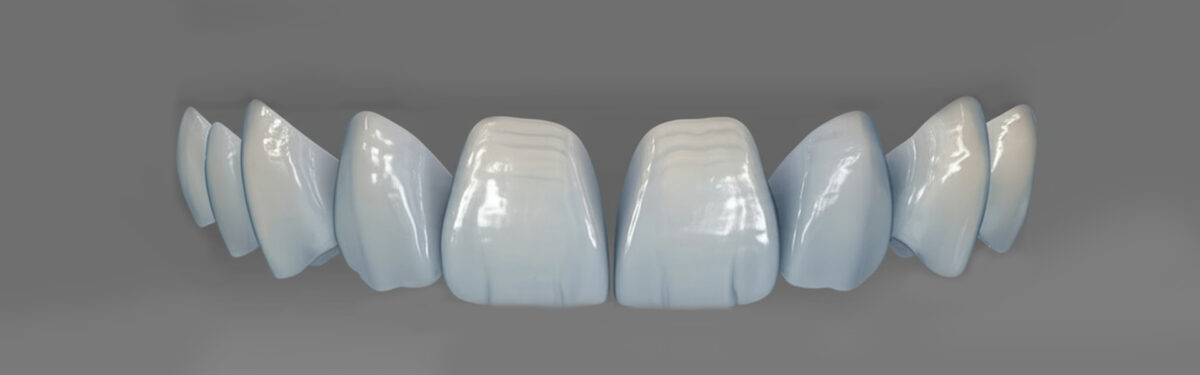
What Are Porcelain Veneers, and How Do They Work?

Ever wonder why your smile doesn’t reflect the care you put in? You’re not the only one. A skilled dentist in Calgary can change that with porcelain veneers—no drawn-out treatment plans, just real results. If you’re tired of hiding behind your hand, it’s time to discover a simpler way to feel good about your smile.

What Are Porcelain Veneers?

Imagine a small shell custom-made to fit over the front of your tooth. That’s a veneer. Now imagine it’s crafted from high-grade porcelain, shaped to match your natural smile, and bonded securely to your enamel. That’s a porcelain veneer.

Think of it like this: if your tooth were a book, the veneer would be a brand-new cover. It doesn’t change the story inside, but it makes it a whole lot more appealing.

Key points:

  • Thin and tooth-colored
  • Made from medical-grade porcelain
  • Placed on the visible front surface of the tooth
  • Customized to match your natural shade and shape

Veneers are often used for:

  • Cracked or chipped teeth
  • Deep staining that won’t lift with whitening.
  • Mild crowding or gaps
  • Teeth that look worn down

Why You Need Porcelain Veneers

You’re not just fixing a tooth—you’re fixing how you feel about your smile. And that matters. Whether you’re preparing for a big event or just tired of hiding your teeth, veneers can give you a serious confidence boost.

Let’s break down some real reasons people go for veneers:

  • Confidence booster: A bright smile changes how you carry yourself.
  • Minimal work, big payoff: No braces, no whitening trays, no surgery.
  • They last: With good care, they can stick with you for 10–15 years.
  • Natural look: They don’t scream “fake.” They just look like you’ve always had nice teeth.
  • Fast: You won’t need months of visits. A few appointments, and you’re set.

Patients seeking porcelain veneers in NW Calgary often desire a straightforward way to enhance their appearance without overdoing it.

It’s not just about looks, either. Veneers can improve how teeth function, especially if they’ve been worn down or damaged.

Veneer Placement Process

Worried the process might hurt or take too long? Let’s walk through it step by step so you know exactly what to expect.

1. Consultation

Your journey starts with a sit-down. Your dentist Calgary checks your teeth, listens to your goals, and sees if veneers are right for you.

2. Planning the look

They’ll take digital images or molds. This helps plan shape, size, and shade. You’ll have a say in how they turn out.

3. Prepping the teeth

To make room, a small bit of enamel is gently removed—just enough so the veneer lies flat. It’s done with care, and most patients don’t even need numbing.

4. Temporary veneers

You’ll wear a trial set while your final veneers are being made. They give you a feel for the finished look.

5. Bonding the veneers

At your final visit, your dentist places the porcelain veneers using a strong dental adhesive. They’re polished, checked for fit, and adjusted if needed.

After that? You’re good to go. Eat, smile, and live your life.

If you’re searching for a dentist near you who’s experienced with veneers, make sure they take the time to understand your needs, not just your teeth.

Cosmetic and Functional Benefits

Porcelain veneers don’t just make your smile look better—they make it work better, too.

Cosmetic Perks:

  • Noticeably whiter teeth—no bleaching needed
  • Closed gaps between front teeth
  • More even and aligned smile
  • Balanced look if you have small or uneven teeth

Functional Benefits:

  • Strengthens worn or chipped teeth
  • Provides an extra layer of protection
  • Helps with slight bite irregularities
  • Less chance of future damage to the visible tooth surface

Patients who visit Toothworks Calgary often share how porcelain veneers changed how they show up in everyday life—more photos, more laughs, more freedom.

Final Thoughts

Ready to stop second-guessing your smile? Porcelain veneers offer a lasting, natural fix that fits your lifestyle. If you want to see what’s possible, book a consultation with Toothworks Calgary today. Let’s talk, plan, and create the smile you’ve been hoping for—no pressure, just honest advice and real care. Your confident smile starts here.

A Straighter Smile with Invisalign: Discreet, Comfortable, and Effective Orthodontics in Calgary

At Toothworks Calgary, we believe that everyone deserves a confident, beautiful smile—without the discomfort or appearance of traditional metal braces. That’s why we’re proud to offer Invisalign, a modern and virtually invisible solution for straightening your teeth.

What Is Invisalign?

Invisalign uses a series of custom-made, clear aligners that gradually shift your teeth into their proper position. These aligners are made from smooth, BPA-free plastic and are designed to be both comfortable and discreet—so you can smile with confidence throughout your treatment.

Why Choose Invisalign?

Here are a few reasons why Invisalign has become one of the most popular orthodontic treatments for teens and adults alike:

  • Nearly Invisible: The clear aligners are difficult to notice, making Invisalign a great option for those who want a subtle orthodontic solution.
  • Comfortable Fit: No wires, brackets, or sharp edges—just smooth, custom-fitted aligners.
  • Removable: Take your aligners out to eat, brush, floss, or for special occasions.
  • Fewer Appointments: Invisalign requires less frequent visits compared to traditional braces, making it ideal for busy schedules.
  • Predictable Results: With advanced 3D imaging technology, you’ll be able to preview your smile transformation before you even begin.

Who Can Benefit from Invisalign?

Invisalign is a great solution for treating a variety of orthodontic concerns, including:

  • Crooked or misaligned teeth
  • Overbite or underbite
  • Crossbite or open bite
  • Gaps between teeth
  • Crowded teeth

Whether you’re a teen preparing for high school or an adult looking to boost your professional confidence, Invisalign could be the right fit for you.

The Toothworks Calgary Difference

When you choose Toothworks Calgary for your Invisalign treatment, you’re not just getting aligners—you’re getting personalized care from a compassionate dental team who’s invested in your smile journey.

Our experienced dentists will evaluate your smile, discuss your goals, and design a custom treatment plan tailored to your needs. We’re here to guide you every step of the way, from your first consultation to your final aligner.

Start Your Invisalign Journey Today

Ready to take the first step toward the smile you’ve always wanted? Book a free Invisalign consultation at Toothworks Calgary and find out if you’re a candidate.

📍 Conveniently located in NW Calgary

📞 Call us at (587) 316-9728 or book online

Let’s work together to achieve your best smile—the clear way.

The Ultimate Guide to Dental Implants

If you’re missing teeth or struggling with a damaged smile, dental implants could be the perfect solution to restore both function and aesthetics. Dental implants in NW Calgary have become a popular choice for those seeking long-lasting, natural-looking tooth replacements. In this guide, we’ll walk you through everything you need to know about dental implants and why they might be the right choice for you.

What Are Dental Implants?

Dental implants are sophisticated, permanent replacements for missing teeth. Unlike traditional dentures or bridges, which rest on top of the gums, dental implants are surgically placed into the jawbone, making them more stable and durable.

Materials Used for Dental Implants

Two materials are most commonly used in dental implants: titanium and zirconia. Titanium is the more traditional choice because it bonds well with the jawbone, creating a stable foundation for a crown or bridge. Zirconia, on the other hand, is a newer material that is just as strong and more aesthetically pleasing, especially for front teeth.

How Do Dental Implants Differ from Other Tooth Replacements?

Unlike removable dentures or bridges, which may shift or need adjusting over time, dental implants become a permanent part of your mouth. They offer a more natural look, feel, and function. You won’t need to worry about your implants slipping or moving while you talk or eat, providing a more comfortable and confident experience.

There are three primary steps involved in the dental implant placement process: the initial consultation, the surgical procedure to place the implant, and the final placement of the crown or other restoration. Though it takes time, the outcome is a durable solution that can bring back your smile for many years.

Benefits of Dental Implants

If you’re still wondering if dental implants are worth it, here are several reasons why they are such a great choice.

  1. Durability and Strength

Dental implants are incredibly durable. Once the implant has aptly integrated with your jawbone, it becomes as strong as your natural teeth, if not stronger. Unlike dental bridges, which may need replacing over time, dental implants in NW Calgary can last a lifetime with proper care.

  1. Natural Appearance

Implants are designed to both look and function like natural teeth. Once in place, they blend flawlessly with your other teeth, providing a natural, beautiful smile. With modern dental technology, it’s nearly impossible to tell the difference between a dental implant and an original tooth.

  1. Improved Oral Health

Implants also help safeguard the health of your jawbone. When a tooth is lost, the bone in the jaw can begin to deteriorate. Implants are the one and only tooth replacement that stimulates the bone, hence preventing bone loss and keeping your facial structure intact. By preserving the bone, dental implants can help you maintain a youthful appearance.

  1. Comfort and Convenience

Unlike removable dentures, implants are permanent and comfortable. You won’t have to worry about adhesives or the discomfort of dentures slipping into your mouth. You can eat, speak, and smile confidently without the fear of them shifting or causing discomfort.

The Dental Implant Procedure

Understanding the procedure can help you feel more at ease if you’re considering implants. Here’s what you can expect during each phase.

Phase 1: The Consultation

The first step is a primary consultation with a skilled dentist near you. During this visit, your dentist will fully assess your total oral health, review your medical history, and determine if you’re a perfect candidate for dental implants. They’ll also take X-rays to examine your jawbone and ensure there’s enough bone structure to support the implant.

Phase 2: The Surgery

After confirming your suitability as a candidate, the next step involves surgery, during which a small titanium post will be put into your jawbone, providing the base for your new tooth. Over the coming months, the implant will fuse with the bone through a process known as osseointegration. Although the idea might seem intimidating, the procedure is straightforward and is performed under local anesthesia to ensure you’re comfortable.

Phase 3: Healing and Restoration

After your implant is placed, it will take a few months for your jawbone to fully heal and bond with the implant. Once healing is complete, a crown or bridge will be attached to the implant, giving you a fully restored tooth. The entire process can take several months, but the end result is worth the wait.

Are Dental Implants Right for You?

Dental implants can offer a great solution for missing teeth, but they may not be the right choice for every patient. Here are some factors to consider before making your decision:

  1. Age and Health

Dental implants are typically ideal for adults who have stopped growing. If you’re under 18, your bones may still be developing, so your dentist may recommend waiting until your bones have fully matured. Also, if you have health conditions like diabetes or heart disease, make sure to discuss your options with your dentist.

  1. Jawbone Density

In order to hold an implant, your jawbone needs to be strong enough to support it. If your bone density is too low, your dentist might suggest a bone graft to build up the bone before implant placement.

  1. Alternatives to Implants

If dental implants aren’t an option, there are alternatives such as dental bridges or dentures. While they may not offer the same benefits as implants, they can still restore the function of your mouth and improve your smile.

Final Thoughts

To wrap up, dental implants provide a dependable and lasting solution for replacing missing teeth, improving both functionality and aesthetics. If you’re thinking about getting implants, it’s essential to visit a skilled dentist in Northwest Calgary to determine if it’s right for you. At Toothworks Calgary, we’re dedicated to helping you restore your smile with top-quality care.

What is Cosmetic Dentistry? An Overview of Popular Procedures

Your smile is one of the first things people notice, and cosmetic dentistry can aid to make it even more captivating. From brightening your teeth to fixing imperfections, these treatments not only amp up your appearance but also boost your confidence. Let’s dive into the world of cosmetic dentistry and explore the most popular procedures to transform your smile today!

  1. How to Choose the Right Cosmetic Dentist for Your Smile Makeover

Choosing the right cosmetic dentist in NW Calgary is essential for achieving the smile you’ve always wanted. The journey toward a smile makeover begins with selecting a dentist who comprehends your needs and has the expertise to deliver the results you’re looking for.

Key Factors to Consider:

  • Qualifications: A qualified cosmetic dentist in Calgary should have specialized training beyond general dentistry. This ensures they’re up-to-date with the latest techniques.
  • Experience: You’ll want someone who has performed procedures similar to those you’re interested in. Whether it’s veneers or implants, a dentist with experience can help you achieve the best outcome.
  • Reputation: Look for reviews or ask around. A dentist’s reputation is often a good indicator of their work quality. Look for glowing reviews from satisfied patients who had similar procedures done.

Questions to Ask During Consultations:

  • What is your experience with cosmetic dental procedures?
  • Can you show me before-and-after images of past patients?
  • How do you approach treatment planning for smile makeovers?

Patient reviews and testimonials can offer valuable insights into how a dentist near you operates and treats their patients. Make sure to do some research before making your decision!

  1. Top 5 Cosmetic Dental Treatments

Cosmetic dentistry offers various treatments designed to enhance the appearance of your smile. Let’s take a look at the most popular options available today.

Teeth Whitening

Teeth whitening ranks among the top-requested treatments in cosmetic dentistry, offering a simple and effective solution to achieve a brighter smile and eliminate persistent stains. In-office treatments or at-home kits can deliver impressive results.

  • In-office treatments: These are typically done with a stronger whitening agent, providing quicker results.
  • At-home kits: These are more affordable and can be used on your own time, though they may take longer to show results.

Whitening helps remove stains from coffee, tea, or tobacco, leaving your teeth several shades lighter and more radiant.

Dental Veneers

Veneers are thin shells that encase the front of your teeth, perfect for correcting imperfections such as chips, cracks, or discoloration.

  • How they work: The dentist will shape your teeth and place custom-made porcelain or composite veneers over them.
  • Benefits: Veneers provide a natural-looking result and can correct various aesthetic concerns, making them a top choice for many.
  • Limitations: They’re not suitable for everyone, especially those with weakened teeth or gum disease.

For many people, veneers offer a simple solution to achieve a beautiful, even smile without significant dental work.

Bonding and Contouring

Bonding is an ideal option for minor fixes or improvements in your smile. It involves putting a tooth-colored resin to correct small flaws, such as chips or gaps.

  • Bonding: This procedure is quick, affordable, and doesn’t require much tooth reduction.
  • Contouring: Reshaping or contouring teeth can help make them look more uniform, correcting imperfections like uneven edges or misalignment.

If you want to change the shape or size of certain teeth without major procedures, bonding, and contouring might be just what you need.

Invisalign and Clear Braces

If you’ve been avoiding traditional braces, Invisalign might be the perfect solution for you. Clear aligners straighten teeth without the visible metal wires and brackets.

  • How they differ: Unlike traditional braces, Invisalign aligners are removable, so you can consume food and drinks and brush your teeth without hassle.
  • The benefits: Clear braces are discreet and often more comfortable than traditional metal braces. They work well for mild to moderate misalignment issues.

Invisalign is a perfect choice for adults or teens who want a more subtle way to improve their smile.

Dental Implants

Losing a tooth doesn’t have to affect your smile—dental implants can bring back its appearance and functionality. They act as artificial roots that are placed in the jawbone, supporting a replacement tooth or bridge.

  • Benefits: Implants are durable, look natural, and function like your original teeth. They’re an excellent solution for missing teeth, especially if you want a permanent solution.
  • Long-term results: By maintaining good oral hygiene, dental implants can serve you for years, helping you chew and speak with confidence.

Although they require a bit more time and investment compared to other treatments, implants offer long-lasting and reliable results.

  1. How Cosmetic Dentistry Can Improve Your Oral Health

It’s not just about looks—cosmetic dentistry is essential for boosting your overall oral well-being.

  • Improved Oral Hygiene: Some cosmetic treatments, like veneers or bonding, can help prevent future dental issues by covering cracks or gaps where bacteria might accumulate. This can lead to healthier teeth in the long run.
  • Better Bite and Alignment: Procedures like Invisalign help straighten teeth and correct bite issues. A well-aligned bite can reduce stress on your jaw and minimize the risk of developing TMJ (temporomandibular joint) problems.
  • Addressing Functional Issues: In some cases, cosmetic dentistry can improve the function of your teeth. For example, dental implants not only restore your smile but also permit you to eat and speak more comfortably.

Despite some misconceptions, cosmetic dentistry can have real health benefits. It’s not just about vanity—it’s about improving your overall well-being.

Final Thoughts

Cosmetic dentistry offers various treatments that can improve both your smile and overall oral health. Whether you’re looking to make your teeth white, fix imperfections, or restore lost teeth, there’s a solution for you. For a personalized approach to your smile makeover, consult a trusted professional like Toothworks North West Calgary to achieve the smile of your dreams!

Understanding Sedation Dentistry: A Complete Guide

Ever felt anxious about a dental visit? You’re not alone. For many, fear can make dental care overwhelming. That’s where sedation dentistry comes in. It’s a safe and effective way to help you relax during treatment. In this guide, we’ll break down how it works, who benefits, and why it’s a game-changer for oral health.

What Is Sedation Dentistry, and How Does It Work?

Sedation dentistry utilizes medications to let you relax during dental procedures. Unlike general anesthesia, which makes you sleep completely, sedation dentistry keeps you conscious but deeply at ease. This approach is particularly helpful for those with anxiety or extensive treatment needs.

Types of Sedation

Various degrees of sedation are available depending on your needs:

  • Nitrous Oxide (Laughing Gas): A gentle option that’s inhaled through a mask. It helps you feel calm but stays mild enough to allow you to drive home after the visit.
  • Oral Sedation: A stronger option, oral sedation involves taking a pill before your appointment. It creates a deeper relaxation and may leave you with limited memory of the procedure. You’ll need a person to drive you home afterward.
  • IV Sedation: Delivered directly into your bloodstream, IV sedation offers precise control over the level of relaxation. It’s ideal for longer or more complex procedures.

How the Process Works

Your dentist in NW Calgary will first assess your medical history and anxiety levels. We’ll recommend the right sedation type based on your specific needs. During your visit, the sedation is administered, and within minutes, you’ll feel your worries melt away. While the dentist performs the procedure, your comfort and safety are closely monitored.

Who Benefits the Most from Sedation Dentistry?

Sedation dentistry in NW Calgary isn’t just for people with severe dental fears—it benefits a wide range of patients. Let’s look at who can gain the most from this approach:

  • Individuals with Dental Anxiety or Phobias
  • Do you find yourself putting off dental appointments because of fear? Sedation helps you stay calm and makes the experience feel manageable.
  • Those with Low Pain Tolerance
  • For patients who are extra sensitive to discomfort, sedation ensures you won’t feel a thing during your procedure.
  • Patients with Extensive Treatment Needs
  • If you’re undergoing a lengthy procedure or multiple treatments, sedation allows everything to be completed in fewer visits.
  • Children or Patients with Special Needs
  • Young patients or those with cognitive challenges can benefit significantly from sedation, as it keeps them still and relaxed throughout the process.
  • Those with a Gag Reflex
  • If you struggle with sensitivity in the back of your throat, sedation can help you feel more at ease during treatments like cleanings or impressions.

This approach is about more than just physical comfort—it’s about creating an experience that leaves you feeling positive about your oral health journey.

Is Sedation Dentistry Safe for Everyone?

Safety is a top priority when it comes to sedation dentistry. Your dentist in Calgary will take every precaution to ensure the process is right for you. Here’s how safety is managed:

  1. Comprehensive Health Evaluation: Your dentist will review your medical history, current medications, and allergies.
  2. Monitoring During Treatment: Your vital signs are closely monitored throughout the procedure to secure your safety.
  3. Customized Dosages: Sedation is tailored to your specific needs, ensuring a comfortable but safe experience.

Who Might Not Be Eligible?

While sedation dentistry is safe for most, it may not be recommended for patients with certain medical conditions or those who are pregnant. Always discuss your full health history with your dentist to make an informed decision.

How Sedation Dentistry Improves the Dental Experience

Sedation dentistry transforms the way you experience dental care. Here’s how:

  • Relaxation Redefined: It takes the edge off, allowing you to focus on feeling calm instead of anxious.
  • Time-Efficient Treatments: Lengthy or multiple procedures can often be completed in one session, saving you time.
  • Pain-Free Experience: For patients with low pain tolerance, sedation ensures treatments are comfortable.
  • Better Outcomes: Reduced anxiety often means you’re more likely to keep up with routine appointments, leading to better long-term oral health.

Imagine walking into the clinic without fear and leaving with the care you deserve. Sedation dentistry makes that possible.

Final Word

Sedation dentistry transforms dental visits into calm, stress-free experiences, making it easier to prioritize your oral health. With safe and tailored options, it’s an excellent solution for anxiety, pain sensitivity, or complex procedures. At Toothworks North West Calgary, we’re here to make your dental journey comfortable and positive. Your healthier, happier smile starts with us!

How to Maintain Your Dental Implants

Your dental implants are a game-changer for your smile and confidence, but they need proper care to stay that way. Think of them as an investment in your future smile—one that lasts with the right attention. Wondering how to keep them in perfect shape and avoid unnecessary issues? Let’s explore the essential steps to safeguard your implants!

    1. Choose Foods Wisely: Protecting Your Implants

Your diet can significantly affect the longevity of your dental implants. While implants are sturdy and reliable, certain foods and eating habits can put unnecessary strain on them.

Hard and Sticky Foods to Watch Out For

Dental implants are strong, but they aren’t invincible. Foods such as ice cubes, nuts, and popcorn kernels can exert undue pressure on the implant crown and nearby bone, potentially causing harm. Sticky foods like caramel, taffy, or chewy candies can cling to the implant, making it harder to clean thoroughly and increasing the possible risk of gum issues.

Even crunchy snacks like chips or pretzels, though not hard, can leave behind debris that lodges between the implant and gums. It’s always best to tread carefully with such foods.

Why Sugary Snacks Pose a Risk

While implants themselves can’t decay, the surrounding gums and natural teeth are still vulnerable to the effects of sugar. Sugary treats promote bacterial growth, which can lead to plaque buildup, gum disease, or even infections around the implant site. If you have a sweet tooth, consider alternatives like fresh fruit or sugar-free options to satisfy cravings without risking your implant health.

Softer Alternatives That Support Implant Longevity

Switching to softer foods is a great way to protect your implants. Opt for:

      • Yogurt, which is gentle on teeth and gums.
      • Steamed vegetables, which are soft and nutrient-rich.
      • Scrambled eggs or mashed potatoes, which are easy to chew and satisfy hunger.

Not only are these options easier on your implants, but they also promote overall oral health.

    1. Keep a Consistent Oral Care Routine

Caring for dental implants is exactly like caring for natural teeth. Skipping your oral hygiene routine, even occasionally, can result in long-term damage to the surrounding tissues and implant structure.

Effective Brushing Techniques for Implant Care

Brushing twice daily is essential. Opt for a soft-bristled toothbrush to keep the implant crown scratch-free and prevent gum irritation. Focus on cleaning along the gumline, as this is where plaque tends to accumulate. An electric toothbrush can be really effective in reaching all surfaces, ensuring no spots are missed.

For the best results, pair your brushing routine with fluoride toothpaste. This will keep your surrounding natural teeth strong while ensuring your implants remain clean and free from plaque.

Flossing Around Implants: Tools and Tips

Flossing is critical when you have dental implants. Food particles and bacteria often hide between teeth and around the base of implants. Traditional floss can work, but many people find specialized tools like floss threaders or water flossers more effective. These tools can gently remove debris without harming the implant or gums.

Role of Mouthwash in Daily Maintenance

An antibacterial mouthwash can prove to be an excellent addition to your routine. It helps control bacteria, freshens breath, and reduces the risk of gum infections. Choose an alcohol-free option to avoid irritating sensitive gums or drying out your mouth.

    1. When Things Don’t Feel Right: Addressing Discomfort

Dental implants are designed to feel natural and comfortable. If you notice any unusual sensations or issues, don’t ignore them. Early action can prevent more significant problems down the road.

Common Reasons for Loose Implants

Implants may feel loose for several reasons, including:

      • Bone loss around the implant due to insufficient jawbone density.
      • Overloading the implant by chewing on hard objects.
      • Poor gum health or inflammation that weakens the surrounding tissues.

Steps to Take if You Notice Issues

If your implant feels loose or uncomfortable, avoid chewing on that side of your mouth and schedule a dental appointment as soon as possible. Never attempt to adjust the implant yourself, as this could cause further damage or dislodge the implant entirely.

When to Contact Your Dentist

It’s crucial to recognize when professional help is needed. If you notice symptoms like redness, swelling, bleeding, or persistent discomfort, reach out to a dentist near you right away. Quick action can save your implant and prevent complications.

    1. Support Healthy Gums Around Your Implants

Healthy gums are essential for maintaining dental implants, even though they’re often taken for granted. Healthy gums keep your implants stable and infection-free.

Recognizing Signs of Gum Inflammation

Pay close attention to your gums, as early signs of inflammation may indicate problems. Look out for:

  • Puffy or swollen gums.
  • Bleeding during brushing or flossing.
  • Persistent bad breath or some bad taste in your mouth.

These signs could indicate gum disease, which, if untreated, can lead to peri-implantitis—a condition that compromises the implant.

The Impact of Periodontal Health on Implants

Even with perfect implants, poor gum health can jeopardize their longevity. Gum infections can spread to the surrounding bone, weakening the implant’s foundation. Regular cleanings and home care prevent bacteria from accumulating and reduce the risk of complications.

Professional Cleaning and Periodic Checkups

Schedule a visit to your dentist every six months to ensure your implants stay in great shape. Professional cleanings eliminate plaque and tartar that daily brushing may miss, and your dentist in NW Calgary can evaluate the stability of your implants, catching potential issues early.

Conclusion: Protecting Your Smile for the Future

Dental implants in NW Calgary are an investment in your smile and quality of life. By choosing the right foods, sticking to an effective oral hygiene routine, and seeking professional care when necessary, you can keep your implants in excellent condition for years. For expert guidance and support, visit Toothworks North West Calgary, where your smile is always in trusted hands.

How TMJ Therapy Works: Relief for Jaw Pain and Tension

Living with jaw pain can turn daily routines into challenges. From chewing to chatting, TMJ disorder can make simple actions uncomfortable, leading to persistent headaches, tension, and restricted jaw movement. Let’s dive into TMJ therapy, exploring how it helps ease these issues and improve your well-being. Whether you’re dealing with minor discomfort or daily pain, understanding your treatment options is the first step to relief.

What is TMJ Disorder?

The temporomandibular joint (TMJ) is like a hinge that connects your jaw to the skull, making essential activities like talking, chewing, and even yawning possible. When this joint doesn’t work smoothly, you may experience jaw pain and stiffness, often diagnosed as TMJ disorder. Essentially, TMJ disorder disrupts the harmony of jaw movements, leading to a range of uncomfortable symptoms.

Understanding TMJ disorder isn’t just about knowing the cause—it’s about recognizing the impact it has on daily life. Imagine struggling to bite into your favorite food or facing headaches that seem to come out of nowhere. TMJ issues affect not only the jaw but can lead to a chain reaction of discomfort throughout the head, neck, and even shoulders.

Common Causes of TMJ Issues

What leads to TMJ disorder? Often, it’s not just one thing but a combination of factors, such as:

  • Stress: If you tend to clench/grind your jaw when stressed, you’re not alone! Jaw clenching can overwork the muscles and strain the TMJ.
  • Teeth grinding (Bruxism): Grinding or clenching teeth, especially during sleep, is a frequent culprit. It puts pressure on the jaw, which can lead to misalignment.
  • Injury: A direct hit or injury to the jaw can disrupt the joint’s movement, leading to ongoing pain or tension.
  • Arthritis: Just like any other joint, the TMJ can be affected by arthritis, which wears down the cartilage and creates discomfort.
  • Dental misalignment: If your teeth don’t come together properly, your jaw may compensate by straining, causing TMJ pain.

Recognizing these causes can be enlightening, as it gives a clearer idea of where the issues stem from and how TMJ therapy can address them.

Symptoms That May Indicate TMJ Disorder

If you’re wondering whether your jaw discomfort might be TMJ disorder, here are some telltale signs:

  • Persistent jaw pain or discomfort, especially when opening or closing your mouth
  • Clicking or popping sounds that occur with jaw movement
  • Difficulty or limitation in moving the jaw
  • Frequent headaches or migraines, often stemming from jaw tension
  • Neck and shoulder pain that seems connected to jaw tension

These symptoms aren’t always isolated—many people experience several at once. If you recognize any of these signs, consider seeing a dentist near you for an evaluation. Early intervention is key, as untreated TMJ issues can lead to more persistent discomfort.

How TMJ Therapy Works

So, how does TMJ therapy bring relief? The goal of TMJ therapy is to address the root causes, relax the jaw muscles, and restore comfortable movement. Here’s a closer look at what TMJ therapy might involve:

  • Jaw exercises and stretches: Simple movements can do wonders. Exercises target the muscles around the jaw, helping to ease tension and gradually improve mobility.
  • Oral splints or mouthguards: If grinding is part of the problem, a customized mouthguard can prevent damage and promote better alignment. Splints, on the other hand, help in keeping the jaw positioned to reduce strain.
  • Lifestyle changes: Sometimes, small changes have a big impact. For example:
    • Dietary adjustments: Soft foods are often easier on the jaw, so skipping crunchy or chewy items during flare-ups can help.
    • Relaxation techniques: Techniques like meditation or even simple breathing exercises can reduce jaw tension, especially if stress is a contributing factor.

These therapies aim to offer a holistic approach to relieve pain and promote long-term comfort. TMJ therapy in NW Calgary can be highly effective, tailored to fit individual needs and bring life-changing relief.

Benefits of TMJ Therapy

What can you look forward to with successful TMJ therapy? Here’s what many patients experience:

  • Pain relief: TMJ therapy significantly reduces pain, bringing comfort to everyday actions like speaking and eating.
  • Better jaw movement: Regain the natural range of motion without fearing clicks, pops, or locking.
  • Improved quality of life: Without constant pain or tension, focusing on what you love becomes easier.
  • Prevention of long-term issues: Unchecked TMJ issues can lead to more serious joint or muscle problems over time. Therapy can act as a safeguard, preventing further damage.

In short, TMJ therapy doesn’t just focus on the “now” but helps ensure a healthier, pain-free future. It’s about getting back to a life where discomfort isn’t a daily obstacle.

When to Seek Professional Help

If you find yourself struggling with any of the symptoms above, it’s time to seek help. Jaw pain isn’t something to ignore—if untreated, it can lead to chronic pain or worsen over time. Toothworks Calgary can evaluate your symptoms, determine the best course of action, and tailor treatment to fit your needs. Early intervention by a dentist in NW Calgary often makes the therapy more effective, so don’t wait too long to address it!

Conclusion

TMJ disorder doesn’t have to be a permanent part of your life. With TMJ therapy, you can look forward to relief from jaw pain, less tension, and a return to comfortable movement. Imagine not having to think twice before enjoying a meal or smiling without pain. Addressing TMJ issues means investing in your quality of life—and taking control of your comfort.

What Are Dental Implants Used For? A Look at Their Function and Advantages

Ever wondered what dental implants are used for and why so many people turn to them for a confident smile? Dental implants do more than just fill gaps—they bring back the full function of your teeth, letting you chew, speak, and smile naturally. Ready to learn how they work and why they’re the best choice? Let’s dive in!

What Are Dental Implants?

Dental implants are often called the “next best thing” to real teeth, and for a good reason. These small devices don’t just take the the visible part of the tooth but also the root, giving them an edge over other solutions like dentures.

Here’s a quick breakdown of what makes up a dental implant:

  • Implant post: A titanium screw put or inserted into the jawbone, which acts like a root.
  • Abutment: A connector is placed on top of the post to support the crown.
  • Crown: The custom-made tooth that looks and functions just like a real tooth.

How do they compare to natural teeth? Implants anchor into the bone, much like natural tooth roots, providing more stability than traditional dentures. They stay put—no slipping or sliding when you talk or chew.

Common Reasons People Get Dental Implants

Tooth loss happens for various reasons, and dental implants are often the best solution for taking the place of those missing teeth. Whether due to decay or trauma, the need to restore a lost tooth goes beyond aesthetics—it’s about maintaining the integrity of your oral health.

The most familiar reasons people opt for dental implants include:

  • Tooth loss due to decay: Severe cavities can sometimes lead to tooth extraction, leaving gaps that need filling.
  • Injury: A knocked-out tooth from an accident or sports injury often leads to implant placement.
  • Shifting teeth: When you suffer tooth loss, the others around it can shift, causing problems with alignment.
  • Bone loss prevention: Without a tooth root to stimulate the jawbone, the bone may shrink. Implants stop that process, keeping your jaw healthy.

When you consider the downsides of missing teeth, it’s clear why implants are a popular choice. They offer stability and help avoid further issues down the road.

The Function of Dental Implants

Wondering how dental implants function compared to natural teeth? The beauty of implants is how seamlessly they integrate into your daily life. You won’t even notice they’re there!

Here’s how they work:

  1. Chewing and Eating: Implants are incredibly strong. You can enjoy your favorite foods without reluctance. From crunching into a crisp apple to enjoying a steak, implants allow for normal chewing power.
  2. Speaking Comfortably: Missing teeth or poorly fitted dentures can affect speech. Implants, however, remain steady, helping you speak clearly without awkward slippage.
  3. Protecting Oral Health: Implants not only replace the tooth but also stimulate your jawbone, which prevents bone loss. This is vital for keeping the rest of your teeth and gums healthy.
  4. Stability: The titanium post fuses with your jawbone over time, creating a permanent anchor. This provides the strength and security needed for daily activities like eating, speaking, and even smiling confidently.

Without implants, the jawbone may deteriorate, which could lead to more dental problems in the future. By opting for implants, you’re setting a strong foundation for long-term oral health.

The Benefits of Dental Implants

What makes dental implants such a popular option? Beyond their ability to replace missing teeth, implants come with several advantages that make them an attractive choice for long-term dental solutions.

The top benefits of dental implants include the following:

  • Durability: Unlike dentures or bridges, implants are designed to last for decades with proper care. It’s a long-term investment in your smile.
  • Natural look: Dental implants look and feel just like real teeth. Your friends and family probably won’t even notice the difference.
  • Increased self-confidence: Having a full set of teeth allows you to smile, eat, and talk without hesitation. You’ll notice the difference in how you feel about yourself, too.
  • Better oral health: Implants don’t affect your surrounding teeth like a bridge would. Instead, they stand alone and support the structure of your mouth.

If you’re thinking about getting dental implants in Calgary, the decision comes with many positives. Patients love how natural they feel, and most report that they forget they even have an implant after a while.

Are You a Good Candidate for Dental Implants?

So, are you thinking about dental implants? They’re a great solution for many people, but not everyone is a perfect candidate. Here’s what you need to know before deciding if implants are right for you.

Factors to consider include:

  1. Healthy Gums: Implants need a strong foundation to hold up, which means your gums should be in good shape. If you have gum disease, that may need to be treated first.
  2. Jawbone Strength: Since the implant post goes into your jawbone, you’ll need enough bone density to support it. If your bone has deteriorated, a bone graft might be required.
  3. Commitment to Oral Hygiene: Taking care of your implant, just like your natural teeth, is essential. Regular brushing (2 times), flossing (1 time), and dental visits are key to ensuring your implant lasts a lifetime.

While dental implants are a fantastic solution, it’s important to consult with a dentist in Calgary to see if you’re a good fit. If implants aren’t right for you, other options like bridges or dentures can help reinstate your smile.

Conclusion

For anyone who is experiencing tooth loss, dental implants are a fantastic alternative. They offer functionality, a natural look, and a permanent option that can last a lifetime. If you’re striving with missing teeth or uncomfortable dentures, it may be time to consider implants. They provide stability, protect your oral health, and give you back the confidence to smile without hesitation.

Are you interested in dental implants?

Schedule a consultation with Toothworks today! Our team is ready to help you explore your options and see if implants are the right solution for you. Let’s get your smile back—book your appointment now!

Are Porcelain Veneers Good for Your Teeth? Pros and Cons Explained

Porcelain veneers are a sought-after choice for those looking to enhance their smiles. They offer a way to cover dental imperfections like stains, chips, or gaps. Before deciding if veneers are right for you, it’s essential to understand both their benefits and drawbacks. This will help you make an informed choice about your dental care.

What Are Porcelain Veneers?

These are thin shells put over the front of your teeth. They are formulated to fit your teeth and match your natural tooth color. Many people choose veneers to improve the look of their smiles. Some common reasons include:

  • Covering stained or discolored teeth
  • Fixing chipped or broken teeth
  • Closing gaps between teeth
  • Correcting minor alignment issues

How Porcelain Veneers Work

Getting porcelain veneers in Calgary involves a few key steps. First, our dentist will do an assessment of your teeth to make sure that they are healthy and suitable for veneers. Next, we will remove a small amount of enamel from the surface of your teeth. This step is crucial as it makes room for the veneers to fit properly. Impressions of your teeth are then taken to create custom veneers. These impressions or outlines are sent to a dental lab, where the technicians craft the veneers to match your teeth perfectly.

When the veneers are ready, you’ll return to our dentist near you. We will check the fit and color, making adjustments if needed. Finally, the veneers are bonded to your teeth using a strong adhesive.

This procedure can take a few visits, but the result is a beautiful, natural-looking smile.

Benefits of Porcelain Veneers

Porcelain veneers offer numerous advantages for improving your smile. One of the main benefits is the enhanced appearance of your teeth. Veneers can cover stains, chips, and gaps, giving you a brighter, more even smile. They are also very durable. Made from strong porcelain material, veneers can last many years with proper care.

Another significant benefit is their resistance to stains. Unlike natural teeth, porcelain veneers do not stain easily from foods and drinks, helping maintain a bright smile. Additionally, the procedure involves minimal tooth structure removal. Only a small amount of enamel is taken off, preserving most of your natural tooth structure.

Potential Drawbacks of Porcelain Veneers

While porcelain veneers have many benefits, there are also some potential drawbacks to consider:

  • Cost considerations: Veneers can be expensive and often not covered by insurance.
  • Possible sensitivity issues: Some people experience increased tooth sensitivity after getting veneers.
  • Irreversibility of the procedure: Once enamel is removed, it cannot be restored, making the procedure permanent.

How Long Do Porcelain Veneers Last?

Porcelain veneers can last for a long time with proper care. On average, they last between 10 to 15 years. Several factors can affect their longevity:

  • Oral hygiene: Brushing (2 times) and flossing (1 time) regularly helps keep your veneers in good condition.
  • Diet: Avoiding hard or sticky foods can prevent damage to your veneers.
  • Habits: You can extend the life of your veneers by refraining from chewing on hard objects and not using your teeth to open packages.

Are Porcelain Veneers Right for You?

Deciding if porcelain veneers are right for you involves considering your dental health and cosmetic goals. Ideal candidates for veneers typically have:

  • Healthy teeth and gums
  • Minor cosmetic issues, such as discolored or chipped teeth
  • Realistic expectations about the results

However, veneers may not be suitable for everyone. They might not be the best choice if you have:

  • Extensive decay or gum disease
  • Significant alignment issues that require orthodontic treatment
  • A tendency or habit to grind or clench your teeth

It’s important to consult our dentist near you to determine if veneers are the right option. During your consultation, we will do an evaluation of your dental health and talk about your aesthetic goals. We will also explain the process in detail, ensuring you understand the process and potential outcomes. By assessing these factors, you can decide whether porcelain veneers are a good choice for enhancing your smile.

Conclusion

Porcelain veneers offer a way to make your smile even more beautiful by covering dental imperfections. They are durable, stain-resistant, and can last many years with proper care. However, they can be costly, may cause sensitivity, and are a permanent change to your teeth. It is important to evaluate the pros and cons and consult your dentist to determine if veneers are the right one.

Are porcelain veneers good for your teeth?

Discover the benefits and find out if they are the right choice for your smile at Toothworks. Our experienced team is ready to help you achieve the perfect smile. Book your consultation today to explore your options and commence your journey to a brighter, more confident you. Contact us now to book an appointment!

How Long Does It Take for Gum Contouring to Heal? A Complete Guide

Gum contouring, also known as gingival contouring in NW Calgary, is a dental procedure aimed at reshaping the gums to improve and beautify their appearance and function. While primarily cosmetic, gum contouring can also address gum health issues, making it a versatile treatment option. Many people consider gum contouring to achieve a more balanced smile or to correct irregular gum lines that may be causing aesthetic concerns or oral hygiene challenges.

What is Gum Contouring?

Gum contouring refers to a cosmetic dental procedure designed to reshape your gums. Dentists in Calgary perform this procedure to trim excess gum tissue, often improving a “gummy” smile, or to preserve gum tissue that has receded, revealing more of your teeth.

Types of Gum Contouring Procedures Available

There are two main types of gum contouring procedures:

  • Scalpel Surgery: This traditional method involves the use of a scalpel to cut away excess gum tissue. It is effective but can result in more discomfort and a longer healing time compared to other methods.
  • Laser Surgery: A more modern approach, laser gum contouring uses a dental laser to remove and reshape gum tissue. This method is less invasive, causes minimal bleeding, and results in faster healing.

Both procedures can achieve the desired gum line shape, but laser surgery is becoming increasingly popular due to its precision and less recovery time.

The Gum Contouring Procedure

A periodontist or cosmetic dentist typically performs gum contouring as an in-office procedure completed in a single visit.

You’ll usually be awake during the procedure, with the gum area numbed using local anesthesia before starting. Utilizing a soft tissue laser or scalpel, your dentist will carefully take out excess gum tissue and reshape the gumline to enhance the appearance of your teeth. Sutures may be necessary to secure the repositioned gum tissue.

In cases where gum recession requires tissue addition, the dentist may harvest tissue from another part of your mouth, such as the palate, and carefully graft it around your teeth to lengthen and reshape the gumline.

The duration of the procedure differs on the basis of the extent of gum reshaping required, typically lasting between 1 to 2 hours.

Benefits of Gum Contouring

  • Enhanced Smile Appearance: This procedure creates a more balanced and attractive gum line, making teeth look proportionate and improving overall smile aesthetics.
  • Increased Confidence: A more appealing smile can boost self-esteem and enhance social and professional interactions.
  • Improved Oral Health: Reduces areas where plaque and bacteria can accumulate, decreasing the risk of gum disease and tooth decay.
  • Better Oral Hygiene: It is easier to thoroughly clean teeth and gums, promoting healthier teeth.
  • Symmetrical Gum Line: Ensures a uniform gum line, enhancing the natural look of the teeth.
  • Preventive Care: Helps prevent future dental issues by addressing excess gum tissue and potential gum pockets.
  • Personalized Results: Tailored to individual needs, ensuring the best possible outcome for each patient’s unique dental structure.

How Long Does Laser Gum Contouring Take to Heal?

Healing from laser gum contouring typically follows this timeline:

  • First 24 Hours: Initial healing begins immediately, with some swelling and discomfort expected. Pain can be dealt with over-the-counter pain relievers.
  • First Week: Swelling should reduce significantly, and any discomfort will continue to diminish. Soft foods and careful oral hygiene are recommended.
  • Two Weeks: Most of the healing will have occurred, with gums appearing more normal. Patients can usually return to their regular diet and oral care routine.
  • One Month: Full healing is typically achieved within four weeks, with the final results of the contouring clearly visible.

Factors That Can Affect the Healing Time

The following are some of the factors that may affect the healing process:

  • Patient Health: General health and immune system strength significantly affect how quickly the gums heal.
  • Oral Hygiene: Proper care and cleanliness of the mouth can prevent infections and promote faster healing.
  • Smoking and Alcohol: Avoiding smoking and alcohol is crucial, as these can impair healing and increase the risk of complications.

Tips for Faster Healing

To ensure a highly smooth and comfortable recovery after gum contouring, follow these essential tips:

  • Take Medication as Directed: After gum contouring, soreness is often experienced. As directed by your dentist, take over-the-counter analgesics such as acetaminophen (Tylenol®) or ibuprofen (Advil®). In order to avoid infection, they might also recommend antibiotics.
  • Avoid Strenuous Activities: Refrain from engaging in exercise or heavy lifting for the first five days after the procedure. Physical exertion can increase bleeding, swelling, and discomfort. Gradually reintroduce these activities as you feel comfortable.
  • Maintain Oral Hygiene: Keep the surgical area clean to promote healing and lessen the possible risk of infection. Follow your dentist’s instructions on brushing and flossing techniques after gum contouring. They may recommend using an antibacterial mouthwash as well.
  • Eat Soft Foods: Stick to soft, easy-to-chew foods such as eggs, yogurt, pasta, cooked vegetables, and smoothies during the initial recovery period. Avoid hard, crunchy, or spicy foods for about a week to allow your gums to heal without irritation.

Conclusion

Gum contouring is beneficial for enhancing your smile’s aesthetics and health. Whether you want to achieve a more balanced gum line or improve oral hygiene, gum contouring offers a safe and effective solution. If you’re considering gum contouring, consult a qualified dentist to discuss your options and ensure personalized care tailored to your needs.

Curious about how long does it take for gum contouring to heal?

Schedule a consultation with Toothworks in Calgary today. Discover personalized care and learn more about your options for achieving a balanced, confident smile. Take the very first step towards improved oral health and aesthetics. Contact us now to book your appointment!